
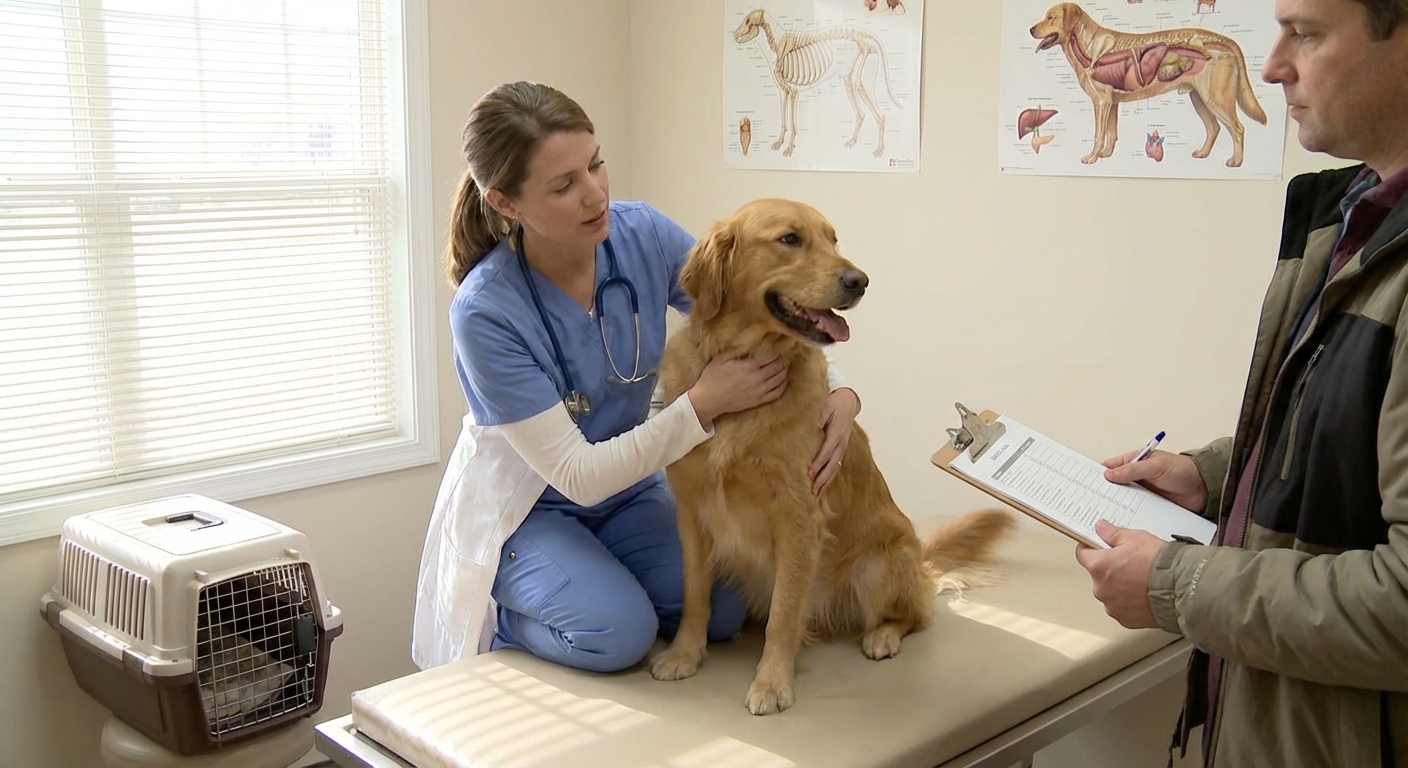
Many pets appear perfectly healthy right up until the moment they aren’t. Animals are experts at masking pain and discomfort—an instinct that protected their wild ancestors but can delay treatment today. An annual (or twice-yearly for seniors) wellness exam is your best chance to catch problems early, when they’re easier and less expensive to treat.
Why Annual Wellness Visits Matter More Than You Think
Veterinarians don’t just "give shots" during these visits. They perform a head‑to‑tail health assessment, review behavior, nutrition, and lifestyle, and look for early signs of disease that most owners never notice at home.
This guide walks you through a complete wellness checklist so you know what to expect, what to ask, and how to advocate for your pet.
Before the Appointment: Setting Your Pet Up for Success
1. Track Subtle Changes at Home
In the weeks leading up to the visit, jot down:
- Changes in appetite or thirst
- Weight gain or loss
- Coughing, sneezing, or breathing changes
- Limping or hesitation on stairs or into the car
- New lumps, bumps, or skin issues
- Behavior shifts: hiding, clinginess, agitation, or vocalizing
- Litter box issues (cats) or house‑soiling (dogs)
These small changes often give your vet critical clues.
2. Bring the Essentials
- A fresh stool sample (within 24 hours)
- Photos of labels for any food, treats, or supplements
- A list of medications, including flea/tick and heartworm preventives
- Questions you’ve been meaning to ask but keep forgetting
For anxious pets, ask your vet in advance about anti‑anxiety options, pheromone sprays, or waiting in the car instead of the lobby.
The Physical Exam: What Your Vet Is Really Checking
Head and Face
- Eyes: Clarity, discharge, redness, response to light. Early cataracts, dry eye, and glaucoma can be spotted here.
- Ears: Odor, redness, debris, pain. Floppy‑eared breeds (Cocker Spaniels, Basset Hounds) and cats with allergies are prone to ear infections.
- Mouth and Teeth: Tartar, gum inflammation, fractures, oral masses. Small‑breed dogs and some cats are at high risk of dental disease by age three.
Tip: Ask your vet to show you what healthy gums and teeth look like so you can spot changes.
Skin and Coat
- Checking for fleas, ticks, dandruff, bald patches, thickened skin, and hot spots
- Feeling for hidden lumps or pain points
Breed‑specific notes:
- Bulldogs, Pugs, and other brachycephalic dogs: Skin fold infections are common—your vet will check between wrinkles.
- Double‑coated breeds (Huskies, Shepherds): More prone to undercoat mats and hot spots.
- Hairless and thin‑coated breeds (Sphynx cats, Greyhounds): Need extra sun protection and gentle skincare.
Heart and Lungs
Using a stethoscope, your vet listens for:
- Heart murmurs or irregular rhythms
- Abnormal lung sounds suggesting infection, asthma, or fluid
Some breeds are predisposed to heart disease:
- Small dogs (Cavalier King Charles Spaniels, Chihuahuas): Mitral valve disease
- Large/giant breeds (Dobermans, Great Danes): Dilated cardiomyopathy
- Maine Coon and Ragdoll cats: Hypertrophic cardiomyopathy
If your pet is at risk, ask about baseline heart tests (like echocardiograms or BNP blood tests).
Abdomen and Joints
- Gentle palpation of the abdomen to feel organs and detect pain or masses
- Range‑of‑motion tests on joints to find early arthritis or ligament issues
Large and athletic breeds (Labradors, German Shepherds, working dogs) are more prone to hip and elbow dysplasia and cruciate ligament tears. Overweight pets of any breed are at significantly higher arthritis risk.
Core Screenings: Bloodwork, Urine, and Fecal Tests
Blood Tests
Most adult pets benefit from yearly blood tests. These typically check:
- Organ function: Liver, kidneys, pancreas
- Electrolyte balance
- Blood sugar: Screening for diabetes
- Thyroid hormones: Especially in older cats (hyperthyroidism) and older dogs (hypothyroidism)
Senior pets or those on long‑term medications may need more frequent monitoring.
Urinalysis
A urine test helps detect:
- Kidney disease (often long before bloodwork changes)
- Urinary tract infections
- Crystals and stones
- Diabetes indicators
Cats, especially male cats, are prone to urinary issues. Indoor, stressed, or overweight cats are at higher risk of painful and sometimes life‑threatening urinary blockages.
Fecal Exam
Parasites are more common than many owners think—indoor pets can still become infected. A stool test screens for roundworms, hookworms, whipworms, Giardia, and more.
Common mistake to avoid: Skipping fecal checks for indoor‑only cats or city dogs. Parasites can be picked up from potting soil, rodents, or contaminated outdoor surfaces.
Vaccines and Preventives: Personalizing Protection
Vaccines
Your vet will tailor vaccines based on your pet’s lifestyle and local disease risk.
For dogs, typical vaccines include:
- Core: Distemper, parvo, adenovirus, rabies
- Lifestyle: Bordetella, leptospirosis, Lyme, canine influenza
For cats:
- Core: Panleukopenia, herpesvirus, calicivirus, rabies
- Lifestyle: Feline leukemia (especially for outdoor or multi‑cat homes)
Ask your vet:
- Which vaccines are essential vs. optional for your pet
- How often boosters are truly needed
- Whether titer testing (antibody level checks) is appropriate
Parasite Prevention
Year‑round protection is usually recommended for:
- Fleas and ticks (especially in wooded or warm regions)
- Heartworm (dogs, and in some regions, cats)
- Intestinal worms
Breed‑specific caution:
- Herding breeds (Collies, Australian Shepherds): Some carry the MDR1 gene mutation, which affects drug sensitivity. Ask your vet about safe parasite preventives and consider MDR1 testing.
Weight, Nutrition, and Lifestyle: The "Big Three" of Preventive Care
1. Weight Management
Your vet will use a Body Condition Score (BCS) chart to determine if your pet is underweight, ideal, or overweight.
Why it matters:
- Excess weight shortens lifespan.
- Arthritis, heart and respiratory strain, diabetes, and certain cancers are all linked to obesity.
Ask for:
- A goal weight
- Daily calorie target
- Recommended diet and treat amounts
2. Nutrition
Discuss:
- Current food (brand, formula, and how much you feed)
- Any table scraps or high‑calorie treats
- Supplements you’re using
Breed and life‑stage nuances:
- Large‑breed puppies: Need controlled‑calorie puppy diets for proper bone growth.
- Senior pets: May benefit from diets targeting kidney, joint, or cognitive health.
- Brachycephalic dogs and flat‑faced cats: May need special bowl shapes or kibble sizes.
3. Lifestyle and Mental Health
Your vet may ask about:
- Exercise frequency and type
- Time spent alone
- Interaction with other pets and people
- Destructive behaviors, anxiety, or aggression
Consider behavior a health issue, not a character flaw; pain, fear, and medical conditions often underlie behavior changes.
Top Mistakes Owners Make Around Annual Visits
- Waiting until something is "really wrong" – Emergency care is more stressful and costly, and outcomes can be worse.
- Skipping bloodwork to save money – Early abnormalities are often silent; catching them early can prevent crises.
- Underreporting behavior changes – Brushing off limping, grumpiness, or hiding as "old age" allows treatable pain to progress.
- Vaccine‑only visits at low‑cost clinics – Helpful for budgets, but not a full replacement for comprehensive exams.
- Not asking questions – Your vet wants to educate you; bring a written list and don’t feel rushed.
How Often Should Your Pet Be Seen?
- Puppies and kittens: Every 3–4 weeks until vaccine series is complete, then spay/neuter check.
- Healthy adults (1–7 years): At least once yearly.
- Seniors (7+ dogs, 10+ cats, or breed‑dependent): Every 6 months is ideal, with regular lab work.
Certain breeds and pets with chronic conditions may need more frequent monitoring.
Partnering with Your Vet for a Longer, Happier Life
A wellness visit isn’t just a box to check—it’s a partnership meeting between you, your veterinarian, and your pet. The more details you share, the more precisely your vet can tailor care.
Come prepared with observations, questions, and an open mind. Your pet can’t speak the language of lab results and exam findings—but you can. When you show up informed and engaged, you give your furry friend the best chance at a long, comfortable, joy‑filled life.