
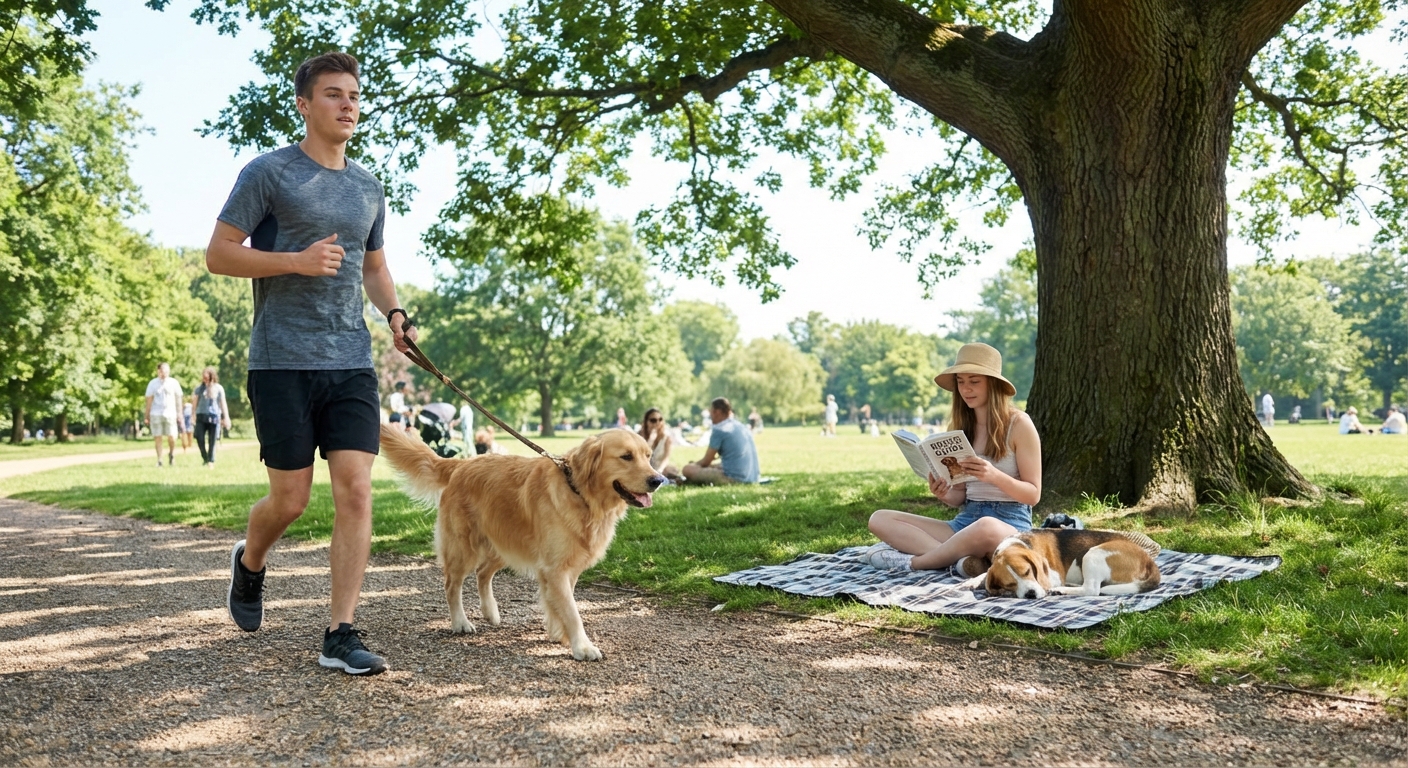
Choosing a dog isn’t just about falling in love with a cute face—though that’s a wonderful part of it. The happiest homes are created when a dog’s natural instincts, energy levels, and temperament match the human’s lifestyle.
Understanding the Power of the Right Match
Veterinarians and behaviorists agree: many behavior problems they see in clinics and shelters trace back to a mismatch between dog and family. A working-breed dog stuck in a tiny apartment with little exercise, or a shy, sensitive breed living in a loud, chaotic household, is more likely to struggle.
This guide will help you pick a breed—or breed mix—that truly fits your life, not just your Pinterest board.
Step 1: Start With Your Daily Reality, Not Your Ideal
Before thinking about breeds, honestly assess your life:
Key Questions to Ask Yourself
How active am I really, most weeks?
- Daily runner or weekend hiker? - Prefer long walks, or short strolls around the block?
How many hours am I away from home each day?
Dogs are social animals; most struggle with being alone for more than 6–8 hours regularly.
What’s my home like?
- Apartment, townhouse, or house with yard? - Stairs or elevator? - Noise-sensitive neighbors?
Who lives with me?
- Small children, elderly relatives, other pets? - Anyone with allergies or mobility issues?
What’s my budget for food, grooming, and vet care?
Larger or high-maintenance breeds often mean higher ongoing costs.
Write down the honest answers. These are your "non‑negotiables" when looking at breeds.
Step 2: Group Breeds by Energy and Purpose
Every breed was developed with a job in mind. Even if your dog will be a beloved pet, those instincts are still there.
High-Energy Working & Sporting Breeds
These dogs usually need at least 90–120 minutes of physical activity daily, plus mental enrichment.
Examples: Border Collie, Australian Shepherd, Belgian Malinois, German Shorthaired Pointer, Vizsla, Husky, many collies and shepherds.
Best for:
- Runners, hikers, agility or dog-sport enthusiasts
- People home often and willing to train consistently
Vet insight: Behavior complaints like destructive chewing, hyperactivity, and obsessive behaviors are very common when these dogs don’t get enough exercise.
Moderate-Energy Family Companions
These breeds enjoy daily walks and playtime, but can relax at home.
Examples: Labrador Retriever, Golden Retriever, Cocker Spaniel, Poodle, many mixed-breed dogs.
Best for:
- Active families
- People who can commit to 60–90 minutes of exercise plus some training each day
Laid-Back or Low-Energy Breeds
Still need walks and enrichment, but often adapt better to quieter lifestyles.
Examples: Greyhound (surprisingly!), Basset Hound, Shih Tzu, Pug, senior rescue dogs of many breeds.
Best for:
- Apartment dwellers (with regular walks)
- People with more relaxed activity levels
Step 3: Consider Temperament and Social Needs
Temperament is just as important as energy level. Some breeds are famously social; others are more reserved.
Family-Friendly & Social Breeds
Examples: Golden Retriever, Labrador Retriever, Beagle, Cavalier King Charles Spaniel, many doodle mixes.
Strengths:
- Usually enjoy children and visitors (with proper socialization)
- Often easier for first-time dog owners
Things to watch:
Because they’re so people-oriented, they can be prone to separation anxiety if left alone too long.
Sensitive or Reserved Breeds
Examples: Akita, Shiba Inu, Chow Chow, some livestock guardian breeds (Great Pyrenees, Anatolian Shepherd), some sighthounds.
Strengths:
- Loyal and often deeply bonded to their person
- May be more independent
- Not all enjoy constant handling or chaotic homes
- Need respectful socialization and management around guests and children
Things to watch:
Step 4: Factor In Grooming and Shedding
Many people underestimate this.
High-Grooming Breeds
Examples: Poodle, Bichon Frisé, many doodles, Old English Sheepdog, Shih Tzu.
These coats grow continuously and must be brushed several times a week and groomed professionally every 4–8 weeks.
Common mistake: Choosing a "hypoallergenic" breed without realizing the grooming commitment. Matted coats are painful and can cause skin infections.
Heavy-Shedding Breeds
Examples: German Shepherd, Husky, Golden Retriever, Corgi.
Expect fur on clothing, furniture, and in your car—even with regular brushing.
Vet tip: Regular brushing and a balanced diet help keep the coat healthy, but won’t eliminate shedding.
Lower-Shedding Options
No dog is truly hypoallergenic, but some shed less.
Examples: Poodle and poodle mixes, Maltese, Yorkshire Terrier, Schnauzers, some terriers.
Always meet the actual dog before adoption if allergies are a concern.
Step 5: Think About Health and Lifespan
Many breeds have predictable health tendencies.
Brachycephalic (Flat-Faced) Breeds
Examples: Bulldog, Pug, French Bulldog, Boston Terrier.
Risks:
- Breathing difficulties
- Heat intolerance
- Higher surgical and anesthetic risk
If you love these breeds, choose a responsible breeder focused on open nostrils, longer muzzles, and good airway health, and be prepared for higher vet bills.
Large and Giant Breeds
Examples: Great Dane, Mastiff, Saint Bernard, Newfoundland.
Vet insight:
- Shorter average lifespans
- Risk of joint disease and bloat
- Need high-quality nutrition and weight management
Small Breeds
Examples: Chihuahua, Pomeranian, Toy Poodle.
Tend to live longer but may be prone to dental disease and fragile bones.
Step 6: Purebred vs. Mixed-Breed
Both purebreds and mixed-breed dogs can be wonderful companions.
Purebred Dogs
Pros:
- More predictable size, coat, and temperament
- Breed-specific training and care information is widely available
- Some lines have concentrated genetic issues
- Often higher upfront cost
Cons:
Mixed-Breed Dogs
Pros:
- Can have fewer inherited problems (though this isn’t guaranteed)
- Often available in shelters and rescues
- Adult size and temperament can be harder to predict in puppies
Cons:
Vet tip: For either option, ask for health history, meet the parents if possible, and choose rescue organizations or breeders who screen for common breed diseases.
Common Mistakes to Avoid
Choosing based on looks alone
A stunning Husky or Dalmatian may be miserable in a sedentary home.
Underestimating training needs
Smart, working breeds need consistent, positive training and mental stimulation.
Ignoring breed tendencies
Herding breeds may nip at heels; scent hounds may follow their nose over recalls.
Not budgeting for care
Large dogs, brachycephalic breeds, and high-grooming breeds can be significantly more expensive over a lifetime.
Assuming a breed will be "good with kids" without supervision
Any dog can bite when scared or overwhelmed. Supervision and teaching children how to interact kindly are crucial.
How to Make the Final Choice
- Meet multiple dogs and breeds in person at shelters, rescues, breed meetups, and friends’ homes.
- Talk to your veterinarian about breeds you’re considering and any health red flags.
- Ask breed clubs or rescues about typical behavior and common challenges.
- Consider adopting an adult dog if you want a more predictable temperament and energy level.
The Best Breed Is the One That Fits Your Life
There is no "perfect" dog breed, only the one that’s perfect for you. When you choose with honesty and care, you’re not just getting a pet—you’re offering a dog a life where their needs, instincts, and personality are truly respected.
That’s the heart of responsible dog guardianship: a relationship built on understanding, not just affection. And when you get that match right, you and your dog both thrive—for years to come.