
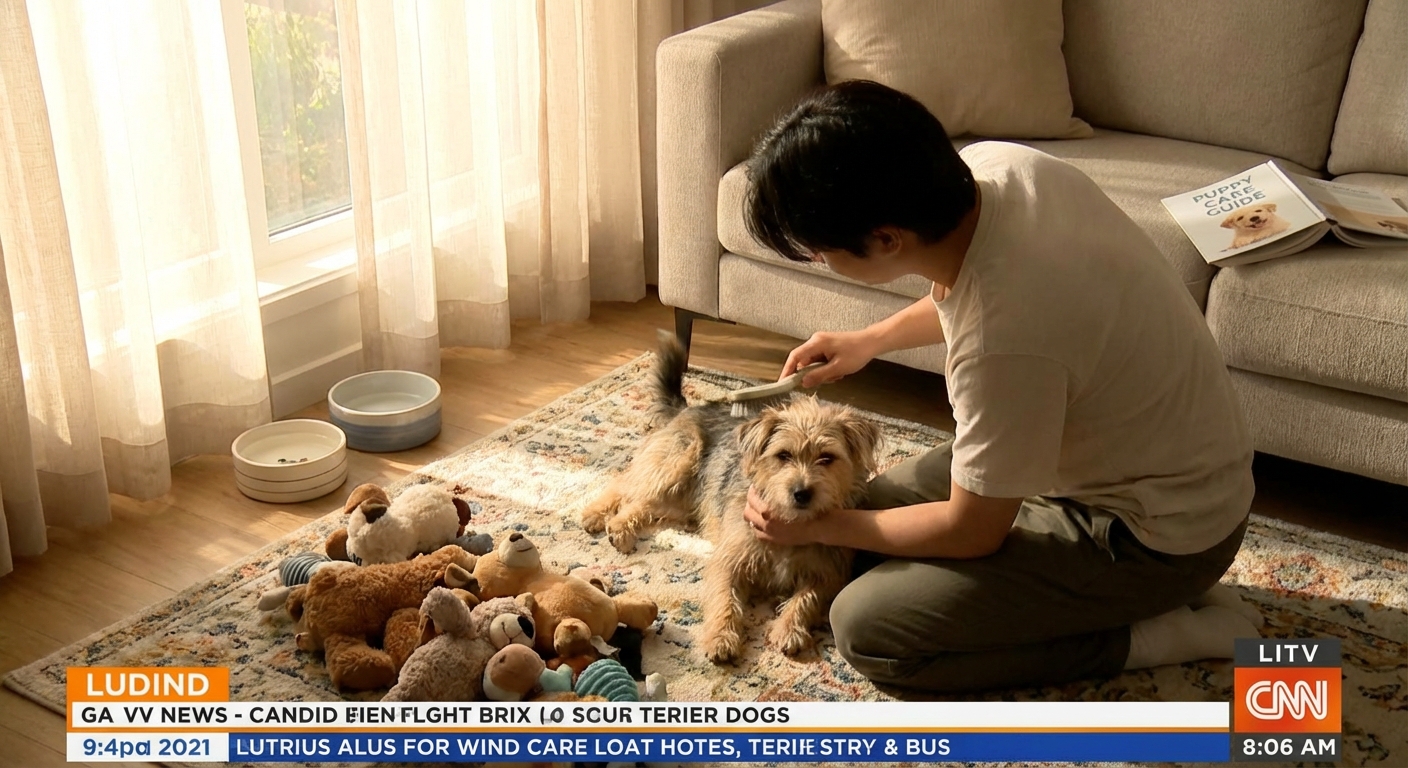
Toy and small dog breeds often get treated like living accessories—carried in bags, pushed in strollers, or dressed up for social media. While they can be adorable companions, they are not plush toys. They’re full-fledged dogs with real needs, instincts, and health considerations.
Why Small Dogs Deserve Big Respect
Veterinarians frequently see two extremes with small breeds: overprotection (no socialization, no training) or underestimation (assuming they don’t need exercise or mental stimulation). Both can lead to behavior and health problems.
This guide focuses on practical, compassionate care for small dogs, whether you share your home with a Chihuahua, Pomeranian, Shih Tzu, Miniature Dachshund, or a small mixed-breed.
Understanding Small-Breed Temperaments
While every dog is an individual, many small breeds share some tendencies:
- Big personalities: Bold, vocal, and sometimes bossy
- Attachment: Strong bonds to one person or family
- Sensitivity: Easily overwhelmed by rough handling or loud environments
Common Small Breeds & Their General Traits
- Chihuahua: Alert, devoted, often wary of strangers; needs gentle socialization.
- Pomeranian: Lively, bright, vocal; enjoys learning tricks and being involved.
- Yorkshire Terrier: Confident, tenacious; a terrier brain in a tiny body.
- Shih Tzu: Typically affectionate and adaptable; bred as companions.
- Miniature Dachshund: Independent, hunting heritage; can be stubborn but very loyal.
Remember, socialization, training, and genetics all influence how these traits show up in real life.
Health and Safety: What Makes Small Dogs Different
1. Fragile Bones and Joints
Toy breeds have more delicate bone structures. Common injuries include:
- Fractures from falls off furniture or being dropped
- Luxating patellas (kneecaps that slip out of place)
- Spinal issues in some breeds (e.g., Dachshunds)
Practical tips:
- Use steps or ramps to help your dog access beds and sofas.
- Teach children to sit on the floor while holding or playing with small dogs.
- Discourage unsupervised jumping from heights.
2. Dental Disease
Small mouths often mean crowded teeth, which traps food and bacteria.
Vet insight: Dental disease is one of the most common issues in small breeds and can lead to pain, tooth loss, and even organ strain.
Care tips:
- Brush teeth daily or at least several times per week with dog toothpaste.
- Provide vet-recommended dental chews.
- Plan for professional dental cleanings as recommended by your veterinarian.
3. Low Blood Sugar in Toy Puppies
Very small puppies (e.g., tiny Chihuahuas, teacup-type dogs) are at risk of hypoglycemia.
Signs can include:
- Weakness or wobbliness
- Lethargy or collapsing
- Trembling or seizures
Prevention:
- Feed frequent small meals.
- Follow your vet’s feeding schedule exactly.
- Call your vet urgently if you see any concerning symptoms.
4. Tracheal Collapse
Some small breeds (Yorkies, Pomeranians, toy Poodles) are prone to tracheal collapse, a condition where the windpipe weakens.
Care tips:
- Always use a harness, not a collar, for leash walks.
- Keep your dog at a healthy weight to reduce pressure on the airway.
- See your vet promptly for chronic coughing or honking sounds.
Nutrition: Feeding Small Dogs Right
Small breeds often have faster metabolisms than larger dogs.
Choosing the Right Food
- Look for diets labeled for small breeds—kibble size and nutrient density are adjusted.
- Avoid "teacup" marketing claims; instead, ask your vet for brand and formula recommendations.
Portion Control
Obesity is a serious problem in small dogs and can worsen joint, heart, and breathing issues.
Tips:
- Measure food with a proper measuring cup.
- Use your dog’s body condition score (BCS) as a guide; your vet can show you how.
- Count treats as part of the daily calorie allowance.
Training: Small Dogs Need Manners Too
One of the most common mistakes with little dogs is skipping training because they’re small enough to physically control. This often leads to:
- Resource guarding (growling over food, toys, or people)
- Nipping when handled
- Nonstop barking
Positive, Gentle Training Methods
Small breeds respond best to:
- Reward-based training (treats, praise, toys)
- Short, fun sessions
- Clear consistency from all family members
Key Skills to Teach Early
- Handling skills: Practice gentle touching of paws, ears, and mouth with rewards.
- Calm greetings: Reward calm behavior when people arrive; avoid encouraging frantic jumping.
- Quiet cue: Reward silence and redirect when barking starts.
Vet tip: Pain or fear can drive behavior. If a small dog suddenly becomes snappy, schedule a vet exam to rule out medical causes.
Socialization Without Overwhelm
Small dogs need socialization just like larger breeds—but with extra attention to safety and comfort.
Safe Socialization Ideas
- Invite calm, dog-savvy friends over one at a time.
- Arrange play dates with gentle, size-compatible dogs.
- Visit pet-friendly shops during quieter hours.
What to Avoid
- Dog parks with large, rough-playing dogs.
- Forcing your dog to be held or petted by strangers.
- Allowing children to chase or pick up your dog without consent.
Watch your dog’s body language (lip licking, yawning, turning away, tail tucked). Step in early to give them space.
Grooming: More Than Just Looking Cute
Many small breeds have coats that require regular maintenance.
Coat Types and Needs
- Long, silky coats (Yorkies, Maltese): Daily brushing, frequent trims.
- Curly or wavy coats (Toy Poodles, Bichons): Regular brushing plus professional grooming every 4–8 weeks.
- Short coats (Chihuahuas, short-haired Dachshunds): Weekly brushing and routine baths.
Eyes, Ears, and Nails
- Eyes: Clean gently with a damp cloth as needed; some breeds get tear staining.
- Ears: Check weekly; clean with vet-recommended solutions.
- Nails: Trim every 2–4 weeks; long nails can alter posture and cause discomfort.
Common mistake: Waiting until a dog is badly matted before grooming. Severe mats can be painful and may require sedation for removal.
Exercise and Enrichment for Little Dogs
Small size doesn’t mean small needs—just different ones.
Physical Exercise
- Several short walks each day often suit small breeds better than one long trek.
- Indoor play (fetch in a hallway, hide-and-seek) can be surprisingly effective.
Mental Stimulation
- Food puzzles and slow feeders
- Training new tricks (spin, sit pretty, touch a target)
- Sniffing games: hide treats around the room
A mentally tired small dog is far less likely to bark excessively or engage in destructive behavior.
Common Mistakes Small-Dog Owners Can Avoid
Carrying their dog everywhere
This can limit socialization and increase anxiety. Let them use their paws when it’s safe.
Laughing off growling or snapping
It’s a warning sign, not a joke; address it kindly with a trainer or behaviorist.
Skipping preventive vet care
Regular checkups, vaccines, parasite control, and dental cleanings are just as important as for big dogs.
Overfeeding and overtreating
A "small" portion mistake can be a big calorie jump for a tiny body.
Ignoring pain signs
Subtle changes—reluctance to jump, hiding, or decreased play—can signal discomfort.
Small Dogs, Full-Sized Commitment
Toy and small dogs bring enormous love, humor, and companionship into our homes. When we recognize that their needs are just as real as those of larger breeds—and adjust our care accordingly—we honor who they truly are.
Treat your small dog like a dog first and a "tiny cute thing" second, and you’ll build a relationship based on respect, safety, and trust that feels anything but small.