
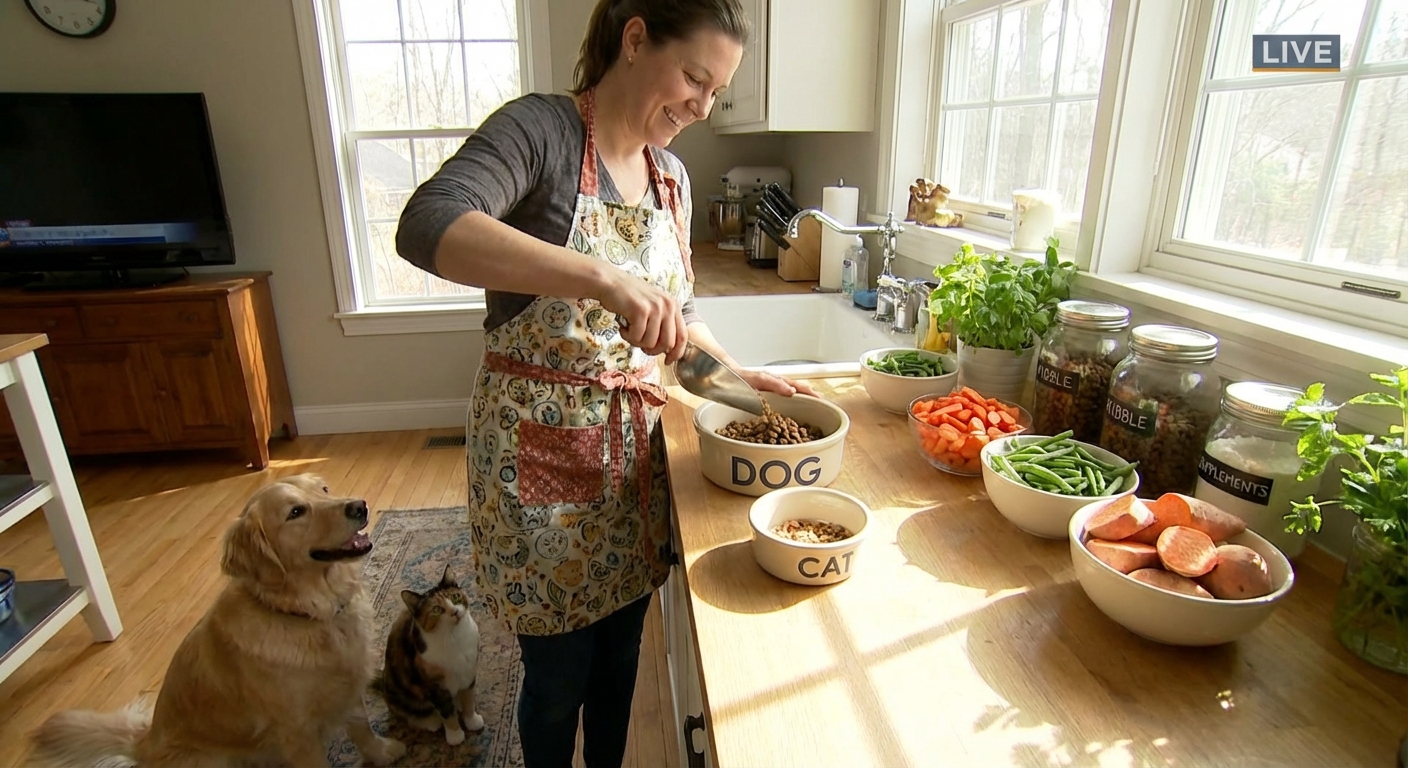
When we talk about balanced pet nutrition, we’re talking about more than a full belly. True balance means your dog or cat is getting the right amounts of protein, fat, carbohydrates, vitamins, minerals, and water for their life stage, lifestyle, and health status.
Understanding What “Balanced” Really Means
Veterinary nutritionists often emphasize one key rule:
“The best diet is one that is complete, balanced, safe, and appropriate for your individual pet.”
That means there is no single perfect food for every animal. A senior indoor cat, an athletic young Border Collie, and a toy-breed couch companion will all have very different needs.
The Building Blocks of a Healthy Pet Diet
1. Protein: The Foundation
Protein supports muscles, skin, coat, immune function, and more.
- Dogs: Omnivores that thrive on high-quality animal protein but can also use some plant protein.
- Cats: Obligate carnivores that require animal-based protein and specific amino acids like taurine.
- Named animal proteins high on the ingredient list (e.g., chicken, turkey, salmon, beef, not just "meat by-product").
- For cats, a clearly meat-forward formula with adequate taurine.
Look for:
2. Fats: Energy and Shine
Fats are a concentrated energy source and support brain health, skin and coat quality, and hormone production.
- Omega-3s (EPA/DHA) from fish oil can reduce inflammation and support joints and heart.
- Omega-6s support skin and coat but can be pro-inflammatory in excess.
Red flags: Very greasy stools, rapid weight gain, or a dull coat may mean the fat content or type isn’t right.
3. Carbohydrates: Fuel and Fiber
Dogs are generally good at using carbohydrates; cats are less efficient but can still benefit from certain carbs and fibers.
Carbs can:
- Provide quick energy
- Support gut health via fiber
- Help manage stool quality
Focus on quality (oats, brown rice, sweet potato) rather than avoiding all carbohydrates, unless medically indicated (e.g., certain diabetic cats).
4. Vitamins and Minerals: Tiny but Critical
Deficiencies or excesses can both cause problems. This is why veterinary nutritionists recommend foods labeled as “complete and balanced” according to AAFCO or FEDIAF standards.
Homemade diets without a vet-designed supplement plan are a common source of deficiency in pets.
5. Water: The Most Overlooked Nutrient
Hydration affects kidney health, digestion, and temperature regulation.
- Cats often have a low thirst drive – wet food, water fountains, or broth (no onions/garlic) can help.
- Dogs benefit from multiple fresh water stations, especially in hot weather or after exercise.
Life Stage & Lifestyle: Why One Diet Doesn’t Fit All
Puppies & Kittens
Growing bodies need:
- Higher protein
- Higher fat
- Carefully balanced minerals (especially calcium and phosphorus)
For large-breed puppies (Labradors, Goldens, Great Danes, etc.), this balance is critical. Too many calories or incorrect calcium levels can fuel joint problems later in life.
Adult Pets
For most healthy adults, the goal is maintenance—keeping an ideal weight and body condition.
- Active or working dogs may need higher calories and fat.
- Indoor-only cats require careful portion control and enrichment to prevent obesity.
Seniors
Aging doesn’t automatically mean “senior food,” but it does mean more regular checkups.
Common needs:
- Slightly lower calories if activity drops
- Support for joints (omega-3s, sometimes added joint supplements)
- Careful monitoring of kidney and heart health
Work with your vet to choose a diet tailored to senior bloodwork, not just age on the calendar.
Breed-Specific Nuances to Know
While every animal is an individual, certain breeds have notable nutritional tendencies.
Small-Breed Dogs (Chihuahuas, Yorkies, Maltese)
- Faster metabolisms – may need more calorie-dense foods.
- Tiny mouths – benefit from small kibble size.
- Prone to hypoglycemia as puppies – multiple small meals are important.
Large & Giant Breeds (Labradors, Shepherds, Great Danes)
- Higher risk of joint issues – look for controlled calcium and appropriate growth diets in puppies.
- Tend to overeat – measured meals and slow-feeders can help.
Flat-Faced (Brachycephalic) Breeds (Pugs, French Bulldogs, Persian Cats)
- Often prone to obesity and breathing challenges.
- Need tightly managed calories and high-quality nutrition to avoid extra weight.
- May need special kibble shapes or slow bowls to reduce gulping.
Cats by Type
- Indoor, sedentary cats: Lower calorie, higher moisture diet; puzzle feeders for activity.
- Long-haired cats: Extra fiber or hairball-control formulas can help move ingested fur through the GI tract.
Common Pet Nutrition Mistakes to Avoid
1. Free-Feeding Without Monitoring
Keeping the bowl full all day is convenient but often leads to weight gain.
Better:
- Measured meals based on your vet’s calorie recommendation.
- Regular body condition scoring (feeling ribs, checking waistline).
2. Over-Reliance on Treats and Table Scraps
Even healthy treats add up. A handful of biscuits plus “just a little” cheese can easily exceed a pet’s daily needs.
Aim for treats ≤ 10% of total daily calories.
Avoid:
- Onions, garlic
- Xylitol (in sugar-free gum, some peanut butters)
- Grapes/raisins
- Chocolate, alcohol, caffeine
3. Abrupt Food Changes
Switching foods overnight can cause diarrhea or vomiting.
Transition slowly over 7–10 days:
- Day 1–3: 25% new / 75% old
- Day 4–6: 50% new / 50% old
- Day 7–9: 75% new / 25% old
- Day 10+: 100% new
4. Assuming “Grain-Free” Means Healthier
Many pets do very well on diets with healthy grains. Grain-free isn’t automatically superior and, in some cases, has been associated with certain heart conditions in dogs.
Discuss any special diet trends with your veterinarian before switching.
5. DIY Diets Without Veterinary Guidance
Homemade or raw diets can be done safely, but only with expert input. Poorly balanced recipes are a leading cause of nutritional deficiencies.
If you prefer home-prepared food, ask your vet for a referral to a board-certified veterinary nutritionist who can formulate a balanced recipe.
Practical Daily Nutrition Tips
- Weigh, don’t guess. Use a small kitchen scale or proper measuring cup for food.
- Check the label. Look for “complete and balanced” and the AAFCO or FEDIAF statement.
- Reassess regularly. What worked at 1 year old may not fit at 7 or 10.
- Use food as enrichment. Puzzle feeders, snuffle mats, and training with part of their meal keep minds sharp.
When to Talk to Your Veterinarian
Schedule a nutrition conversation if you notice:
- Unexplained weight gain or loss
- Changes in appetite or thirst
- Dull coat, itchy skin, or chronic ear infections
- Soft stools, constipation, or vomiting
- Calculate an ideal daily calorie intake
- Recommend specific therapeutic diets for conditions like kidney disease, allergies, or diabetes
- Refer you to a veterinary nutritionist for complex cases
Your veterinarian can:
Nurturing Through Nutrition
Feeding isn’t just a chore; it’s a daily expression of love. When you choose thoughtfully, measure carefully, and adjust as your pet’s needs change, you’re supporting more than physical health—you’re helping them stay playful, comfortable, and present in your life for as long as possible.
With a bit of guidance and curiosity, every bowl you fill can become an act of informed, compassionate care.