
Few cat topics spark as much debate as indoor versus outdoor lifestyles. You want your cat to be happy and fulfilled, but you also want them to be safe. The truth is nuanced—and highly individual.
The Big Question: Should Your Cat Go Outside?
This guide compares indoor, outdoor, and compromise options using veterinary insights and practical care tips, so you can make the best decision for your cat and your environment.
Health and Safety: What the Research Shows
Risks for Outdoor Cats
Veterinarians and shelters consistently see higher rates of:
- Trauma: car accidents, falls, dog attacks
- Fights: resulting in abscesses and spread of FIV/FeLV
- Parasites: fleas, ticks, worms, ear mites
- Poisoning: from antifreeze, rodent bait, toxic plants
- Infectious disease: upper respiratory infections, panleukopenia, rabies (where present)
Outdoor cats also have shorter average lifespans, often significantly.
Risks for Indoor Cats
Indoor cats are generally safer—but not risk‑free.
Common indoor issues include:
- Obesity and related diseases
- Boredom and stress, leading to overgrooming or inappropriate urination
- Under‑diagnosed arthritis (less obvious when activity is limited)
These can largely be managed with thoughtful enrichment and preventive care.
Vet consensus: From a pure health and survival standpoint, cats are safest as indoor-only pets, with robust environmental enrichment.
Behavior and Emotional Well‑Being
What Cats Actually Need
Whether indoors or out, cats need to:
- Hunt (or simulate hunting)
- Climb and survey territory
- Scratch and mark
- Hide and feel secure
- Engage in predictable routine
These needs can be met indoors—but not by default. They require intentional set‑up.
Breed and Personality Considerations
- High‑energy breeds (Bengal, Abyssinian, Siamese) often need more enrichment, puzzle feeders, and playtime.
- Confident, curious cats may push more strongly for outdoor access.
- Shy or anxious cats often feel safer indoors with well‑designed hiding spots and quiet spaces.
Remember that want and need are different. A cat may ask to go out because birds are fascinating, but that doesn’t mean outdoor access is the only way to satisfy that interest.
Indoor‑Only: How to Make It Truly Enriching
If you choose indoor‑only (the safest option in most cases), focus on these pillars.
1. Vertical Territory
- Cat trees in several rooms
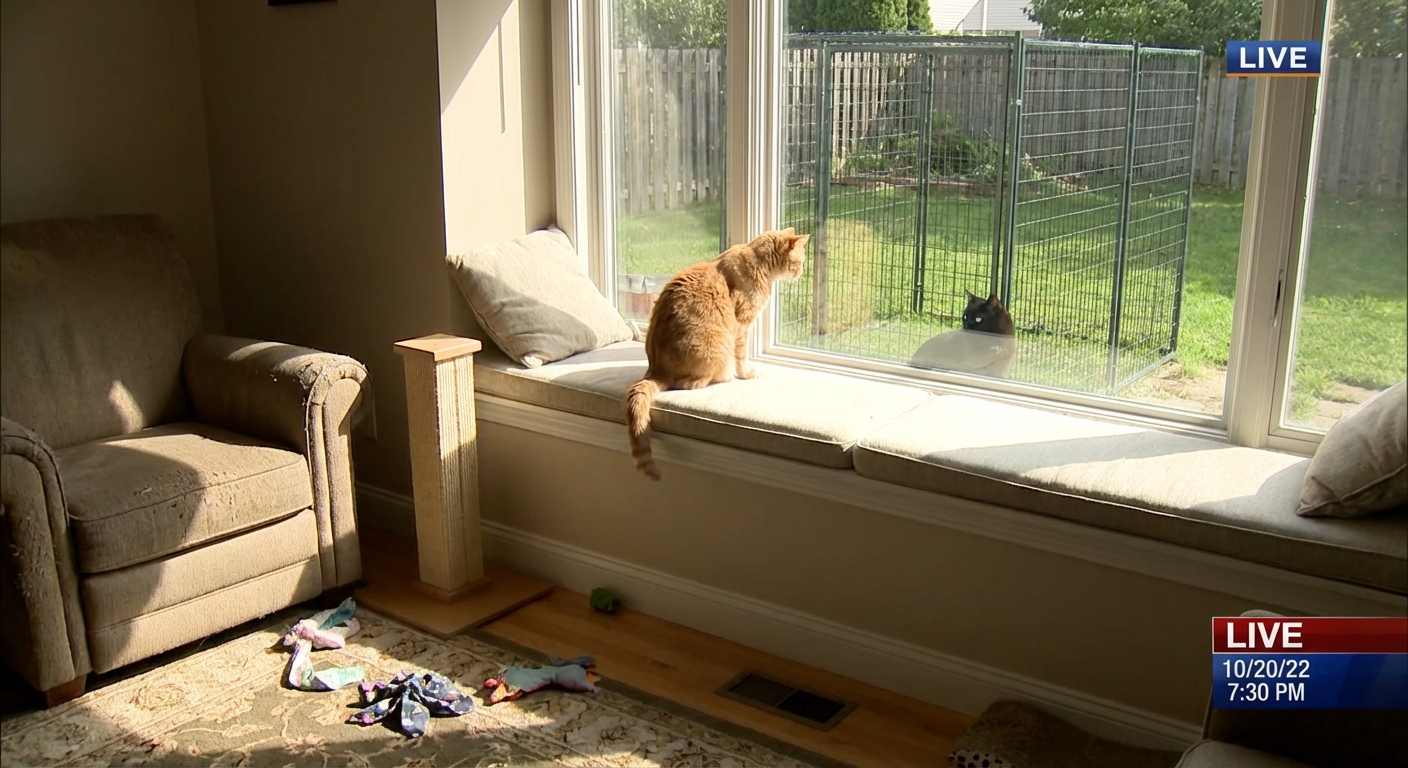
- Window perches for “bird TV”
- Shelves or walkways in multi‑cat homes to reduce tension
2. Play that Mimics Hunting
- Daily interactive play with wand toys
- Laser pointers only if you finish with a toy or treat your cat can actually catch
- Timed play sessions before meals to simulate hunt–eat–groom–sleep cycles
3. Foraging and Puzzle Feeding
- Food puzzle balls
- Snuffle mats for dry treats
- Multiple small bowls hidden around the home
These strategies encourage cats to “work” for food, preventing boredom and obesity.
4. Sensory Variety
- Cat‑safe plants like cat grass
- Cardboard boxes and paper bags (handles removed)
- Rotating toys weekly to maintain novelty
Outdoor Access Options: Safer Alternatives
If you feel strongly about offering outdoor experiences, there are compromise solutions.
1. Catios and Enclosed Runs
A catio (cat patio) is a secure, enclosed outdoor space.
Benefits:
- Fresh air and natural sights/smells
- Protection from cars, predators, and most other dangers
- Reduced neighborhood wildlife impact
Catios can be:
- Window box-style units
- Full‑height enclosures off a door
- DIY projects or pre‑made kits
2. Leash Training and Harness Walks
Many cats can learn to walk on a harness.
How to start:
- Choose a cat‑specific, escape‑resistant harness.
- Let your cat wear it indoors briefly while receiving treats.
- Gradually add the leash and gentle indoor walks.
- Move outdoors only when your cat seems relaxed.
Never attach a leash directly to a collar—this can damage the neck if your cat bolts.
3. Supervised Yard Time
If harness training isn’t an option, some guardians sit outside with their cats in a fully fenced yard while actively supervising. This is still riskier than a catio or harness and should include microchipping, ID tags, and up‑to‑date vaccines.
If You Choose Free‑Roaming Outdoor Access
In some environments—rural farms, for example—free‑roaming outdoor life may be chosen or unavoidable. In that case, maximize safety.
Veterinary Essentials
- Core vaccines + any regionally recommended extras
- FIV/FeLV testing and discussion of FeLV vaccination
- Year‑round parasite prevention (fleas, ticks, worms) as recommended
- Early spay/neuter to reduce roaming, fighting, and unwanted litters
Identification and Monitoring
- Microchip registered with current contact details
- Breakaway safety collar with ID tag
- Consider GPS trackers for high‑risk areas
Environmental and Wildlife Considerations
Outdoor cats can significantly impact local wildlife, especially songbirds and small mammals.
Mitigate by:
- Using brightly colored bird‑safe collars or bibs designed to warn birds
- Keeping cats indoors at dawn and dusk, peak hunting times
- Providing ample indoor play and feeding before outdoor time to reduce hunting drive
Common Myths About Indoor vs. Outdoor Cats
“Cats need to go outside to be happy.”
False. They need stimulation and choice; these can absolutely be provided indoors.
“My cat knows to avoid cars.”
Fear and chasing can override caution instantly. Even savvy cats can be startled into danger.
“Indoor cats don’t need vaccines or parasite control.”
Indoor cats still face some exposure risks from humans, other pets, and pests entering the home.
Choosing What’s Right for Your Cat
There is no single answer that fits every cat, family, and neighborhood. The best decision considers:
- Local traffic, predators, and toxins
- Wildlife and environmental impact
- Your cat’s age, health, and temperament
- Your ability to provide indoor enrichment or build secure outdoor spaces
Whatever you choose, revisit the decision regularly. As your cat ages or your situation changes, so may the best option.
The goal is always the same: a life that is not just long, but deeply worth living—for your cat, for the wildlife around you, and for the humans who love them.